

High Scope Curriculum
PLAY is how young children naturally explore the world, make sense of their experiences, and develop essential skills. Through play, children build language, social, emotional, physical, and cognitive abilities in ways that are meaningful and engaging to them. It encourages curiosity, creativity, problem-solving, and collaboration.
When children play, they practice decision-making, learn to negotiate with peers, and develop self-regulation. Play supports executive functioning skills like planning, focusing attention, and adapting to change. Because it's self-directed and enjoyable, play keeps children motivated and deeply involved, making it one of the most effective and developmentally appropriate ways for them to learn.
Learn More about the High Scope Curriculum
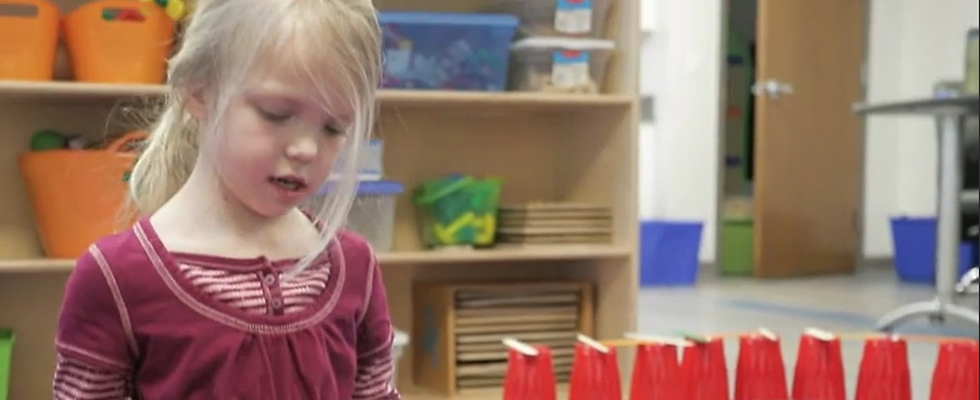
Our 3k-4k classrooms use the High Scope curriculum, which aligns with the Wisconsin Model Early Learning Standards (WMELS) to ensure children are prepared for future educational steps. High Scope emphasizes active participatory learning, where children are engaged in all aspects of the day, learning essential community values like cooperation, responsibility, and accountability.
A key feature is the Plan-Do-Review process, which strengthens executive functioning skills such as planning, organizing, and self-reflection—skills that many older students struggle with.
High Scope also values constructive play, providing children with time and materials to support social and cognitive development, recognizing play as a critical part of early learning.
We know children are learning through High Scope by using Key Developmental Indicators (KDIs), which are aligned with the Wisconsin Model Early Learning Standards. These indicators outline developmental levels for different stages of early childhood. Teachers use them to assess each child's progress and plan activities to support their growth to the next stage.